

Tips, tutorials & cloth know-how
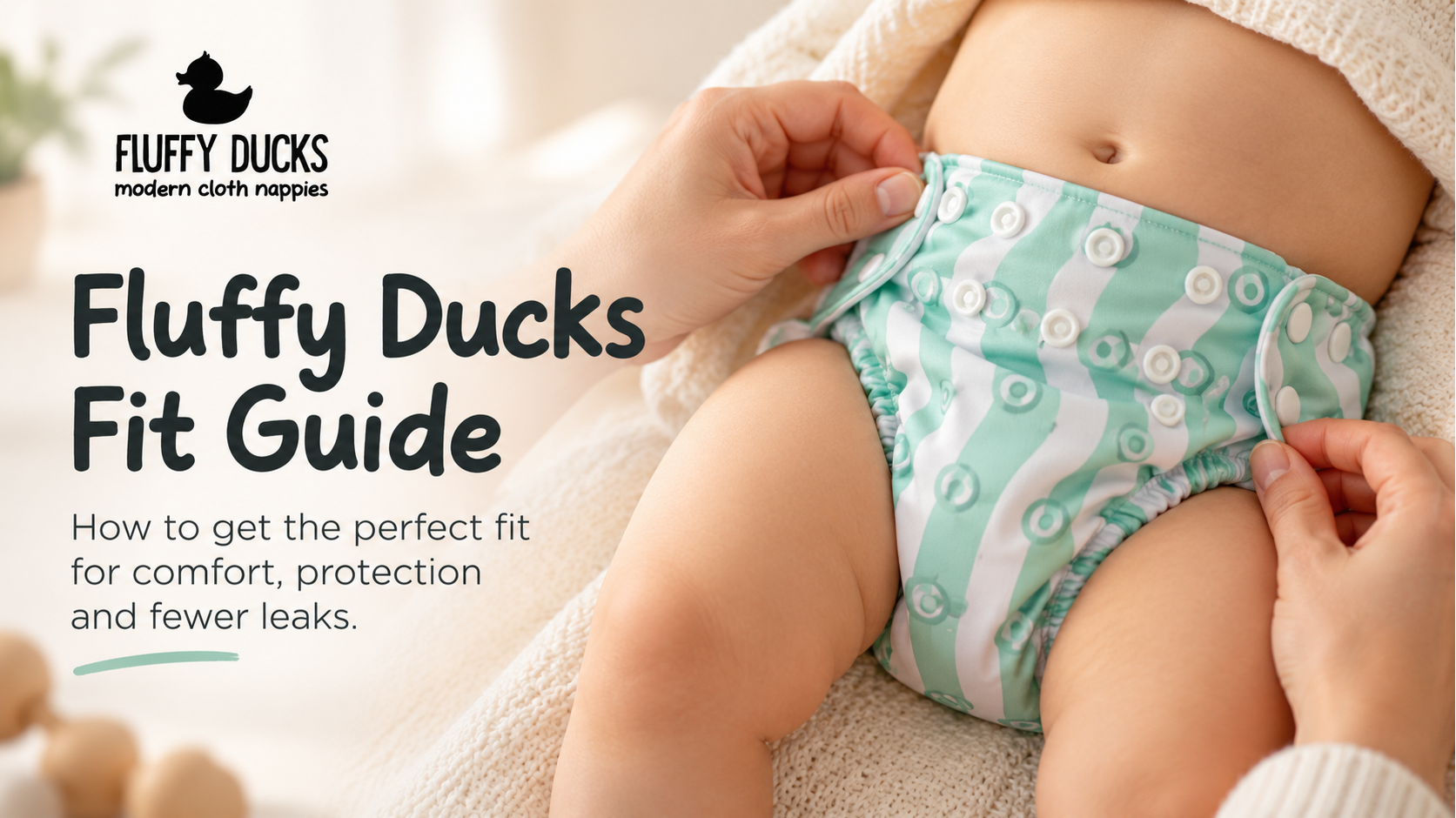
Fit Guide
We've created a step by step guide to getting the perfect fit of your fluffy ducks. Feel free to screen shot and save :-)
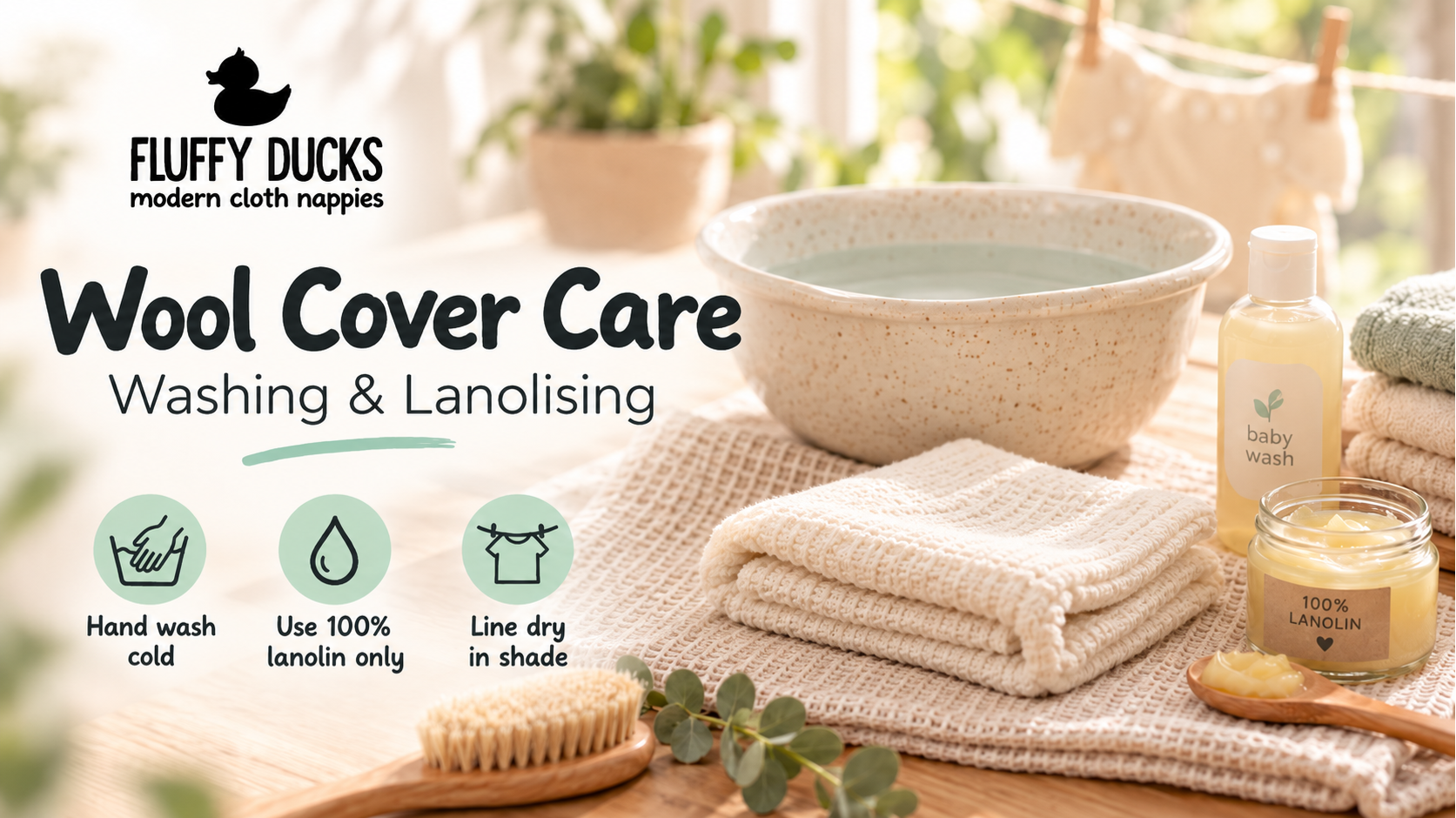
How to Lanolise a Wool Cover
Please ensure you wash your wool cover before use and prior to lanolising, no need to dry in between. Use 100% Lanolin only.
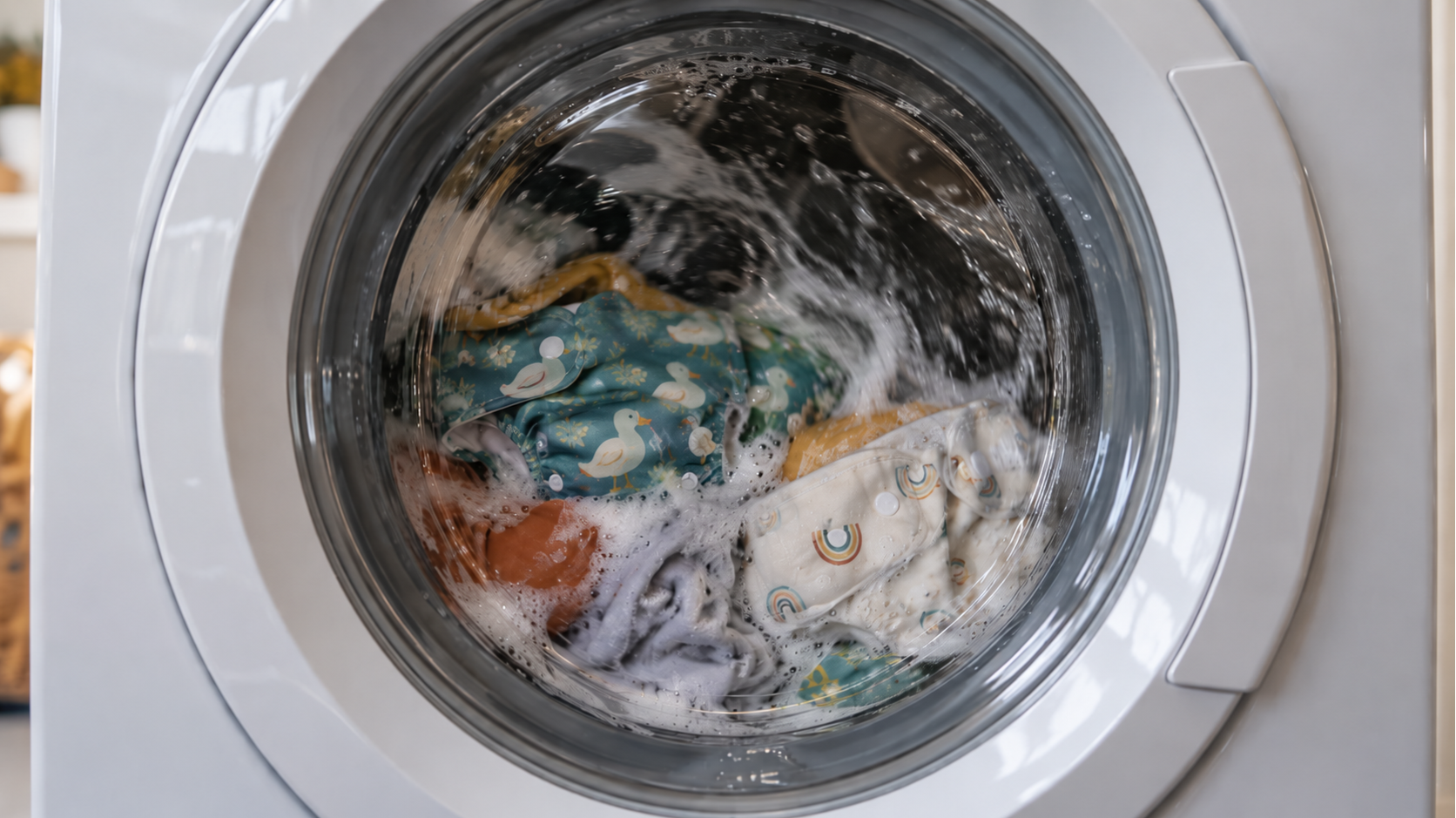
Washing Instructions
We know how exciting it is to receive fluff mail and wanting to use them immediately but for better performance soak your new nappy inserts overnight in cold water to increase absorbency. Change more frequently until maximum absorbency is reached, around 8 washes. Note that if you're using from birth, soaking isn't necessary.
Still choosing a name?
Try our free baby name finder — 17,000+ names with meanings, a matching quiz, and a curated Māori & Pasifika collection.
Explore baby namesGood to know
Cloth nappy washing & care basics
The most common questions about washing, drying and caring for reusable cloth nappies, answered simply. Always follow the care label on your specific products.
How often should I wash cloth nappies?
Most families wash every one to three days. Don't let dirty nappies sit longer than about two to three days before washing, to avoid staining and odour. Store used nappies in a dry, breathable pail or bag until wash day.
What is the best wash routine for cloth nappies?
A reliable routine is a cold rinse or short pre-wash to clear the bulk, followed by a warm main wash with a full dose of detergent. Load the machine well but not so tightly that nappies can't agitate, and flick solids into the toilet first.
Can I tumble dry cloth nappies?
Absorbent inserts like bamboo can usually be tumble dried on low, but waterproof covers and PUL outers last longer line dried or air dried. Sun drying also helps lift stains naturally. Check each product's care label.
How do I deep clean or strip cloth nappies?
If clean nappies start to smell or lose absorbency, they may need an occasional deep clean to remove detergent or mineral build-up. This is maintenance, not part of the regular routine, use a recognised strip-wash method suited to your water type.